Wellness
The Sleep Environment Checklist for Better Rest
How Newcastle residents are reshaping their bedrooms for healthier, deeper sleep as winter drags on.
3 min read
Updated 2 h ago
Wellness
How Newcastle residents are reshaping their bedrooms for healthier, deeper sleep as winter drags on.
3 min read
Updated 2 h ago
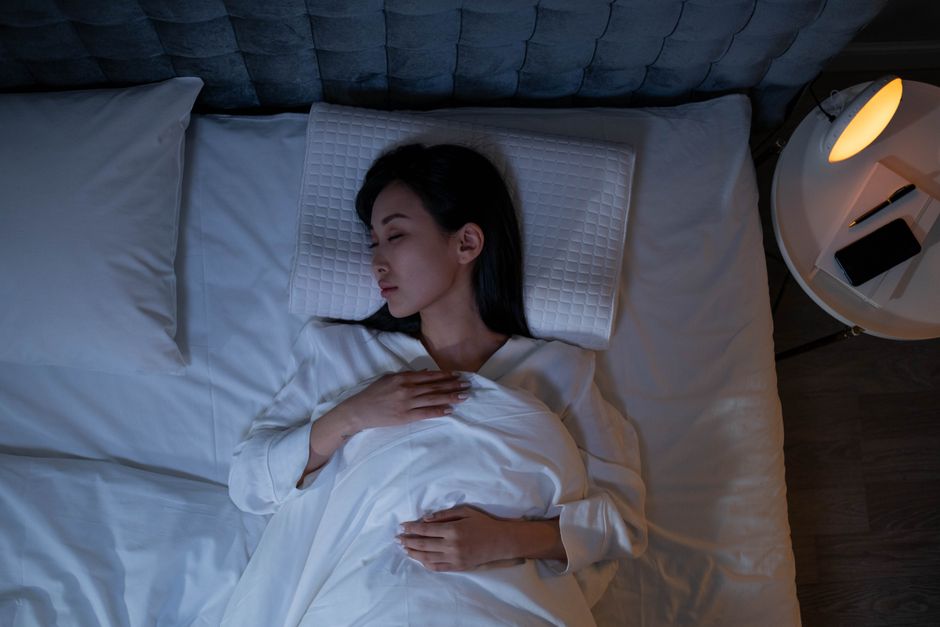
Most Newcastle residents underestimate just how much their bedroom environment can sabotage a good night’s sleep. Local sleep therapists, retailers, and wellness advocates are seeing a surge in demand for evidence-based advice—and products—aimed at eliminating hidden barriers to healthy rest.
This new urgency around sleep health isn’t just anecdotal. With June closing as the region’s warmest in recorded history, early winter heatwaves have set fans whirring in Hamilton and blinds drawn tight in Bar Beach. Disrupted sleep is turning up as a top complaint in GP clinics from Mayfield to Merewether. "People are waking more, sweating more, and feeling less refreshed," says Helen Bennett, practice manager at Cowper Street’s Sleep Right Newcastle. Signs point to climate change making bedrooms less comfortable across the city.
Wellbeing providers aren’t standing idle. Sleep Right Newcastle on Cowper Street has doubled its appointments for sleep environment assessments through July. The Newcastle Sleep Lab, based on Darby Street, has rolled out environment-focused checklists for patients struggling with rest. Meanwhile, homeware shops along Hunter Street are reporting brisk sales of blackout curtains, moisture-wicking sheets, and portable air purifiers. One 2025 survey by Hunter New England Health found 38% of adults in the council area averaged less than seven hours sleep per night—a figure that jumps in summer and dips in the coldest months.
"It’s not just about the mattress anymore," says Bennett. The checklist developed by Newcastle Sleep Lab includes details from optimal bedroom temperatures (16–19°C) to noise exposure and even the kinds of bulbs used in bedside lamps. Both Newcastle Sleep Lab and Sleep Right Newcastle recommend ditching scrolling in bed and suggest blue-light blocking features on screens should be enabled at least an hour before sleep.
Data back up the sleep environment overhaul. According to a recent Sleep Health Foundation study, 60% of Australians said environmental factors—including noise, temperature, or light—disturbed their sleep at least once a week. Newcastle retailers have noticed: a popular support pillow at Pillow Talk on King Street now sells for $49.99, while a two-pack of blackout curtains at Spotlight Jesmond is $69. That’s up 15% on the same period last year, according to store management. Newcastle Sleep Lab says investing even $100 in bedroom adjustments pays off in reduced daytime fatigue and improved mood in as little as one month.
So what’s next for locals desperate for decent sleep? Experts suggest a step-by-step audit. Start by decluttering—tripping over laundry or devices adds mental clutter. Temperature can be managed with fans, cotton-rich sheets, and sleepwear from local labels like Byron Bay Sleepwear (stocked at Marketown). Block out streetlight from Darby Street or noisy bin night in Hamilton South with heavier curtains or a sound machine (basic models at JB Hi-Fi Kotara start at $35). And, for those struggling despite the perfect environment, Newcastle Sleep Lab runs short workshops on Fridays tackling insomnia and bedroom routine hacks, from setting tech-free bedtime rituals to scenting pillowcases with lavender oil from Hunter Organics.
As July’s weather continues to swing between muggy and cold, fine-tuning the bedroom checklist remains the city’s best bet for deeper rest. For the weary, a few targeted changes could mean the difference between a restless night and waking up truly refreshed by the surf at Nobbys Beach.
About this article
Published by The Daily Newcastle
Spread the word
Daily brief
Free, in your inbox before 7am. Weekdays.
The Daily Network — local news across Australia


