wellness
Newcastle Residents Lose Sleep to Light Pollution and Doomscrolling Habits
From Hunter Street's late-night light pollution to the creeping anxiety of doomscrolling, a confluence of modern habits is robbing Novocastrians of the sleep they desperately need.
How we reported this
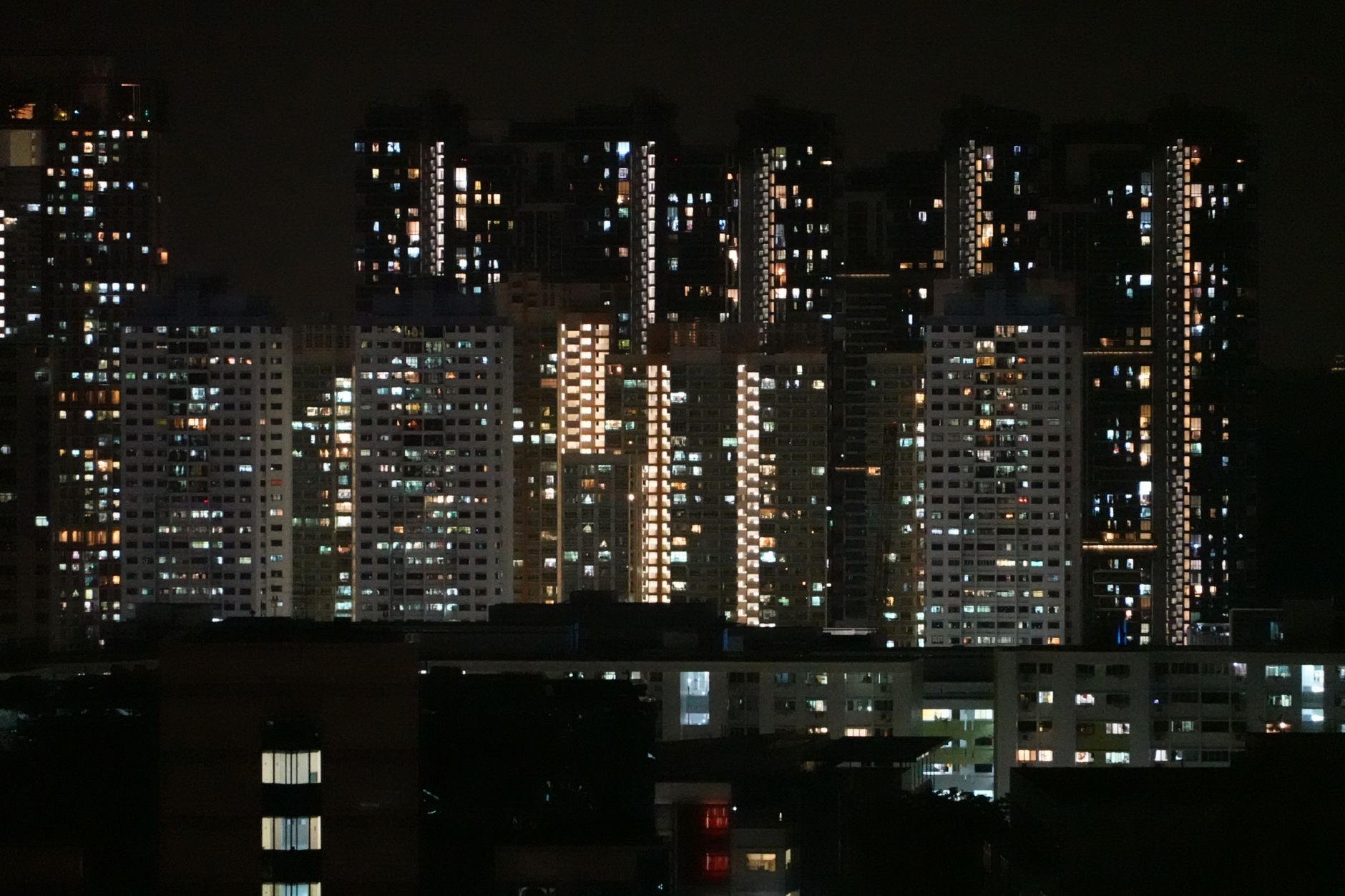
Sleep is broken for a lot of people right now. Not occasionally, not seasonally, structurally broken, in ways that researchers and clinicians say are getting harder to reverse without deliberate intervention. The question is why, and whether anyone in Newcastle is doing anything about it.
The short answer on causes: too much artificial light at night, irregular work schedules, screen exposure after 9 p.m., and a low-level chronic anxiety that many people have simply accepted as baseline. These factors compound each other. Miss two nights of deep sleep and your cortisol regulation shifts; shift your cortisol and your next night gets worse. It spirals quickly.
Newcastle's particular geography matters here. The city's ongoing revitalisation of the Hunter Street corridor has brought welcome nightlife back to the CBD, but it has also introduced a street-level light environment that sleep researchers would recognise as problematic. LED streetlighting retrofitted across the Honeysuckle precinct and parts of Wickham emits blue-spectrum light at intensities that suppress melatonin production when residents or late-night workers are exposed to it in the hours before bed. That's not a niche concern, it affects anyone living in apartments above ground floor along those strips.
What the Evidence Says
The Sleep Health Foundation, a national not-for-profit body, has previously reported that roughly four in ten adults regularly fail to get the seven to nine hours recommended for optimal health. Chronic short sleep, defined as fewer than six hours on most nights, is associated with elevated risks of cardiovascular disease, metabolic disruption, and impaired immune response. Those figures pre-date the widespread normalisation of post-pandemic hybrid work, which has further eroded the separation between work time and rest time for knowledge workers.
Hormonal factors add another layer of complexity. Discussions around hormone replacement therapy, testosterone fluctuations and melatonin supplementation have grown louder in wellness circles, and for good reason: hormonal shifts, whether from perimenopause, andropause or chronic stress, directly affect sleep architecture. The stage-three deep sleep that the body uses for cellular repair is often the first casualty. Over-the-counter melatonin supplements, which are now widely available at Newcastle's Chemist Warehouse on Hunter Street and independent pharmacies in Jesmond, can help reset circadian rhythm after shift changes or travel, but sleep specialists consistently note they are not a long-term fix for structural insomnia.
Newcastle's active wellness culture does offer genuine local resources. The University of Newcastle's School of Medicine and Public Health has run community health literacy programs through its Callaghan campus that include sleep education components, and the Hunter Integrated Pain Service at John Hunter Hospital addresses sleep disruption as part of its chronic pain management protocols, recognising that pain and sleep deprivation form a feedback loop that neither discipline can solve in isolation.
Practical Steps That Actually Work
The fundamentals are frustratingly unsexy but well-supported by evidence. Keeping a consistent wake time, even on weekends, is rated by sleep clinicians as the single highest-leverage habit change available without medication. The body's circadian rhythm is anchored to wake time more reliably than to sleep time, so fixing the morning alarm and letting sleep onset adjust gradually is more effective than trying to force an earlier bedtime.
For Newcastle residents who exercise regularly, and the city's running culture around Foreshore Park and the Bathers Way coastal track is genuinely strong, timing matters. Morning or early-afternoon exercise consistently supports deeper sleep. High-intensity training after 7 p.m. raises core body temperature and delays sleep onset by an average of 30 to 45 minutes, according to exercise physiology research.
Blackout curtains are a $40 to $80 investment that makes a measurable difference for anyone in the Honeysuckle, Hamilton or Cooks Hill areas where street lighting is intense. A bedroom temperature between 17 and 19 degrees Celsius is the physiological sweet spot, Newcastle winters make this easier; summers require either air conditioning or a fan positioned to move air without noise disruption.
Anyone whose sleep problems persist beyond four weeks, or are accompanied by loud snoring, gasping or excessive daytime fatigue, should book a GP referral rather than self-manage. John Hunter Hospital and several private sleep clinics operating out of the Broadmeadow medical precinct provide diagnostic polysomnography, the overnight study that confirms or rules out sleep apnoea and other disorders. That's the step too many people keep deferring. Don't.