Wellness
Building Psychological Resilience With Small Daily Habits
Newcastle's wellness community is championing micro-habits over marathon self-care sessions — and the science is starting to catch up.
4 min read
Wellness
Newcastle's wellness community is championing micro-habits over marathon self-care sessions — and the science is starting to catch up.
4 min read
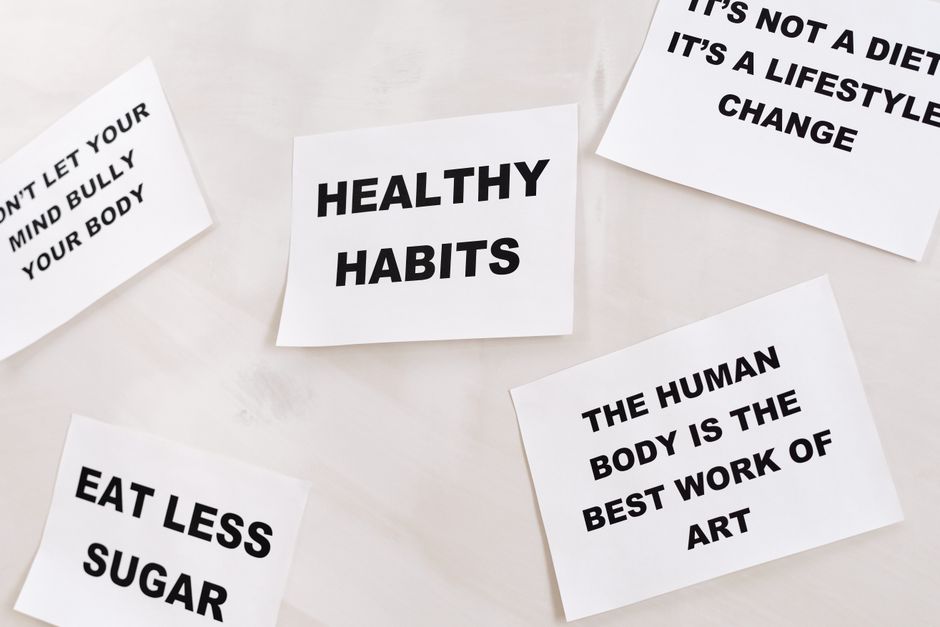
Psychologists working with Hunter Valley clients are reporting a shift in how people approach mental health: not through occasional big interventions, but through deliberate, small daily practices stacked across the week. The concept — sometimes called habit stacking for psychological resilience — is gaining serious traction across Newcastle's active wellness community, and local programs are starting to formalise it.
The timing matters. Mortgage stress is squeezing household budgets across the Hunter region, and job satisfaction surveys consistently flag disengagement as a creeping problem for workers in their thirties and forties. When financial pressure mounts and professional purpose erodes, the psychological load compounds fast. Clinicians say the research is clear: waiting until you feel overwhelmed before doing something about mental health is the least effective strategy. Small, consistent practices built during stable periods provide a buffer when pressure spikes.
A 2023 longitudinal study published in the journal Behaviour Research and Therapy tracked 1,400 adults across 18 months and found that people who practised three or more brief daily stress-regulation behaviours — things like a ten-minute walk, a structured breathing exercise, or journalling for five minutes — reported 34 percent lower scores on standardised anxiety scales compared to those who relied on weekly or fortnightly coping strategies alone. The effect held even when controlling for income, employment status and pre-existing mental health diagnoses.
The key mechanism isn't mystery: repetition trains the nervous system. The prefrontal cortex — the brain region responsible for emotional regulation — strengthens through repeated low-stakes practice the same way a muscle does. By the time a genuine stressor arrives, the neural pathways are already grooved.
Locally, the cost barrier to entry is low. Newcastle Community Health on Pacific Street offers a free six-week Mindfulness-Based Stress Reduction program run through Hunter New England Health, with the next intake opening registration on 21 July 2026. Participants attend one 90-minute group session per week and commit to daily home practice of roughly 20 minutes. Referral is not required for most participants.
The city's geography helps. The 4.2-kilometre Bathers Way coastal walk from Nobbys Beach south to Merewether is free, accessible before sunrise, and used by hundreds of locals daily — not as a structured exercise program but as a mood-regulating morning ritual that requires almost no planning. Exercise physiologists note that outdoor walking in daylight before 9am has reliable effects on cortisol regulation and sleep quality, two factors that directly underpin psychological resilience.
Hunter Lifestyle Medicine, based in Broadmeadow, runs a structured eight-week Lifestyle Psychiatry program priced at $480 for the full course, which integrates movement, sleep hygiene coaching, nutrition guidance and twice-weekly group reflection sessions. The program distinguishes itself by treating physical and psychological habits as inseparable — because, clinically, they are.
For those wanting something less structured, the Newcastle Mindfulness Centre on Darby Street in Cooks Hill holds drop-in meditation sessions on Tuesday and Thursday mornings for $15 per class, with a ten-class pass available for $120. Several participants interviewed by The Daily Newcastle described the Tuesday 7am session as the single habit they protect most fiercely when work demands escalate.
The practical advice from practitioners converges on three starting points. First, anchor a new habit to something you already do — link a five-minute breathing practice to your morning coffee, not to a vague intention to meditate sometime. Second, keep the initial commitment embarrassingly small: two minutes of box breathing is more durable than a 30-minute yoga session you'll skip when tired. Third, track it. A simple paper habit tracker, not an app subscription, is sufficient — the physical act of marking a box creates its own low-level reward signal.
The Hunter New England Mental Health Line operates 24 hours at 1800 011 511 for anyone needing immediate support. The Newcastle Community Health registration line for the July MBSR intake opens at 8am on 21 July. Spots in previous rounds filled within four days.
This article was compiled by AI and screened before publishing. See our editorial standards.
Wellness

Wellness

Wellness

Wellness
About this article
Published by The Daily Newcastle
Spread the word
Daily brief
Free, in your inbox before 7am. Weekdays.
The Daily Network — local news across Australia