Wellness
Journaling as a mindfulness tool: how to start
Pen, paper and five minutes a day — Newcastle's wellness community is turning to journaling as one of the most accessible entry points into a regular mindfulness practice.
4 min read
Wellness
Pen, paper and five minutes a day — Newcastle's wellness community is turning to journaling as one of the most accessible entry points into a regular mindfulness practice.
4 min read
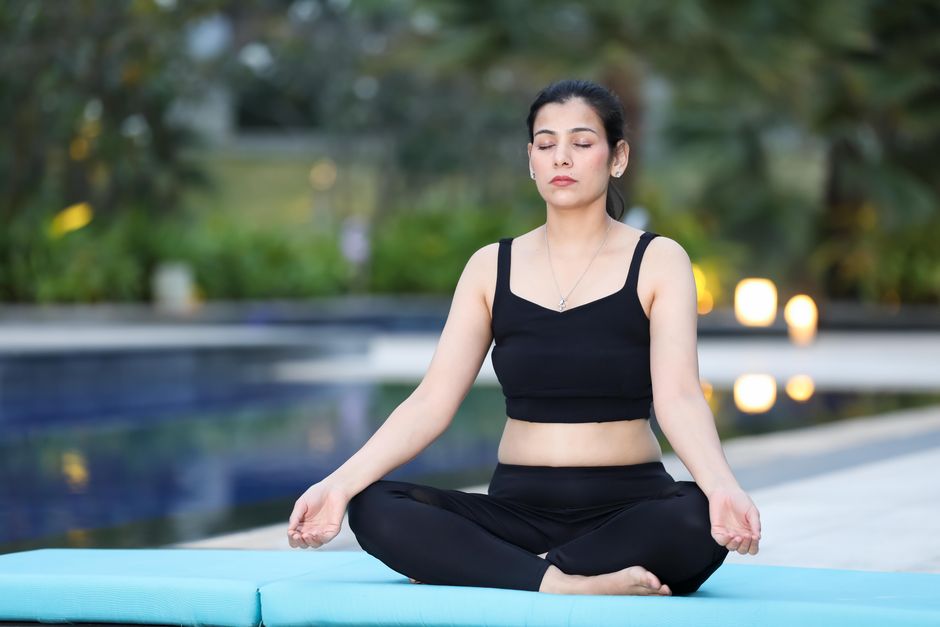
Journaling is having a moment, and Newcastle's wellness scene is paying attention. Across the city — from studio noticeboards in Cooks Hill to community boards at the Hunter Street co-working hubs — mindfulness practitioners are recommending the humble journal as a first step into meditation-adjacent practice, particularly for people who find seated, eyes-closed meditation difficult to sustain.
The timing matters. With cost-of-living pressure mounting and housing uncertainty rattling younger Novocastrians, mental health practitioners locally are reporting greater demand for low-cost, self-directed tools. A journal costs under five dollars at any newsagent on Hunter Street. A guided app subscription runs $17.99 a month. The gap is not trivial when budgets are tight.
Mindfulness, at its core, is the practice of paying deliberate, non-judgmental attention to the present moment. Writing by hand forces exactly that. You cannot type at thought-speed with a pen — the friction slows cognition, which is precisely the point. A 2021 study published in the Journal of Experimental Psychology found that expressive writing for as little as 15 minutes three times per week reduced intrusive thoughts and improved working memory in participants who self-reported high anxiety. The research did not require participants to be experienced meditators. It required only honesty and consistency.
Newcastle Mindfulness Centre, based in Merewether and running eight-week Mindfulness-Based Stress Reduction courses since 2018, has incorporated journaling prompts into its program since 2023. Participants complete a short reflective write-up after each body scan or breath awareness session — not as homework, but as a way to consolidate what was noticed. The centre's next intake begins 14 July 2026, with places at $420 for the full eight weeks, a cost that includes all materials.
Closer to the waterfront, Equilibrium Yoga on Darby Street runs a monthly Sunday session called Still Pages, pairing a 30-minute yin yoga sequence with a facilitated journaling block. The $25 drop-in has sold out its last four consecutive months, which suggests demand is not casual.
The most common mistake is treating the journal like a diary. It is not a record of events. It is a record of interior experience — sensation, thought, mood, resistance. Start with three prompts, each answered in no more than three sentences: What do I notice in my body right now? What thought keeps returning today? What am I avoiding? That is it. No minimum word count. No requirement for insight or eloquence.
Time of day matters more than most people expect. Morning journaling, done before checking a phone, catches the mind before it has been colonised by external input. Evening journaling — five minutes before sleep — functions more like a debrief, useful for processing the day's emotional residue. Neither is superior. Consistency is the variable that determines outcome, not timing.
For Novocastrians who want guided structure before going solo, the Newcastle City Library on Laman Street stocks a rotating selection of journaling workbooks, including titles specifically designed as mindfulness companions. Borrowing is free with a library card. Staff in the health and wellbeing section can point to what is currently on the shelf.
One practical note: resist the urge to buy a beautiful, expensive notebook to start. The psychological weight of a $45 leather-bound volume can itself become a barrier — too precious to mess up. A $3 spiral notebook from Officeworks on King Street is better. Fill it carelessly. That carelessness is, paradoxically, the practice.
The evidence base for journaling as a therapeutic and mindfulness tool continues to grow, but practitioners here emphasise it works best when treated as a complement to other practices rather than a standalone solution. For anyone experiencing significant anxiety, depression or psychological distress, contacting a GP or a mental health professional at places like Hunter Valley Psychological Services in Hamilton remains the recommended first step. Journaling is a tool, not a treatment — and knowing the difference is its own kind of self-awareness.
This article was compiled by AI and screened before publishing. See our editorial standards.

Wellness

Wellness

Wellness

Wellness
About this article
Published by The Daily Newcastle
Spread the word
Daily brief
Free, in your inbox before 7am. Weekdays.
The Daily Network — local news across Australia