Wellness
Walking Meditation: How to Turn Your Daily Walk Into Mindfulness
Newcastle's coastline and foreshore trails are doing double duty as outdoor meditation studios — and the science backs the practice.
4 min read
Wellness
Newcastle's coastline and foreshore trails are doing double duty as outdoor meditation studios — and the science backs the practice.
4 min read
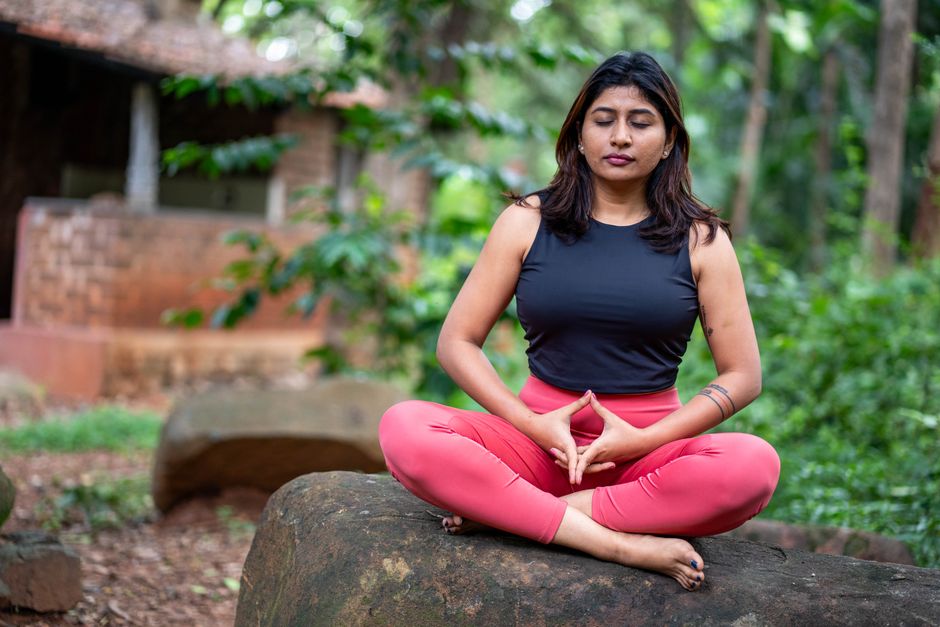
More Novocastrians are logging their steps as meditation sessions rather than just exercise, a shift that practitioners and local wellness instructors say has accelerated noticeably since the start of 2026. The concept is simple enough: slow down, pay attention, and let the walk itself become the practice. But done deliberately, walking meditation is a structured technique with roots in Buddhist Vipassana tradition and a growing body of clinical support behind it.
The timing makes sense. Cost-of-living pressure has squeezed discretionary spending across the Hunter region, and a free, equipment-free practice that can be done on the Bathers Way coastal track or through the Glenrock State Conservation Area at any hour carries obvious appeal. Gym memberships in Newcastle now average around $65 to $85 a month, and dedicated mindfulness app subscriptions like Headspace run $104.99 a year. Walking costs nothing.
A 2023 study published in the journal Mindfulness found that participants who practised walking meditation for 20 minutes a day over eight weeks reported a 27 percent reduction in perceived stress scores compared to a control group that walked the same distance without the meditative component. The difference, researchers concluded, came down to intentional attention — specifically, anchoring awareness to the physical sensations of movement rather than allowing the mind to rehearse to-do lists or replay conversations.
The distinction between a regular walk and a walking meditation comes down to three things: pace, attention, and breath. Practitioners walk more slowly than usual — roughly half their normal stride rate — and direct sustained focus to the sensation of each foot making contact with the ground, the movement of air across the skin, and the rhythm of breathing. When the mind drifts, which it will, the instruction is simply to notice that it has drifted and return attention to the body. No judgment, no frustration. Start again.
The Bathers Way, which runs 9 kilometres between Merewether Beach and Stockton, has become something of an unofficial outdoor mindfulness corridor. The early-morning stretch from Bar Beach north toward Newcastle Beach is particularly suited to the practice: flat, well-maintained, and quiet before 7 a.m. on weekdays. The sensory anchors are abundant — the sound of surf to the east, the smell of salt air, the specific texture of the concrete path giving way to timber boardwalk near the Newcastle Ocean Baths.
Newcastle Mindfulness Centre, based in Darby Street, Cooks Hill, runs a six-week introductory course that dedicates an entire session to walking meditation, including a guided outdoor component along Darby Street itself. The next intake begins July 22, 2026, with enrolments open now at $180 for the full course. The organisation has offered the program since 2019 and reports that demand has been strongest this year. Separately, Glenrock Adventure, which manages trail access into the Glenrock conservation area off Awabakal Drive in Redhead, has begun partnering with independent mindfulness facilitators to run occasional guided nature-walk sessions through the bushland trails — a format sometimes called forest bathing, though the underlying attentional mechanics closely mirror walking meditation.
For those who want to start without any structured program, the approach is straightforward. Choose a familiar route — the Foreshore Park between Civic and the Honeysuckle precinct works well for its level path and water views — and plan for 20 to 30 minutes. Leave the earbuds out. Set a loose intention at the start: something like "I'm going to pay attention to my feet and my breath." Walk at roughly 60 percent of your normal pace. When you notice your attention has migrated to your phone screen or a mental argument you're rehearsing, pause, take one deliberate breath, and return to the physical sensation of walking. That's the whole practice.
Consistency matters more than duration. Three 20-minute sessions across a week will produce more measurable benefit than one 90-minute attempt, according to the Mindfulness-Based Stress Reduction curriculum developed at the University of Massachusetts Medical School — still the most widely replicated framework in clinical mindfulness research. Newcastle's geography, with its accessible coastline and connected trail network, removes most of the logistical excuses. The harder discipline is simply deciding to pay attention.
This article was compiled by AI and screened before publishing. See our editorial standards.
Wellness
Wellness

Wellness

Wellness
About this article
Published by The Daily Newcastle
Spread the word
Daily brief
Free, in your inbox before 7am. Weekdays.
The Daily Network — local news across Australia