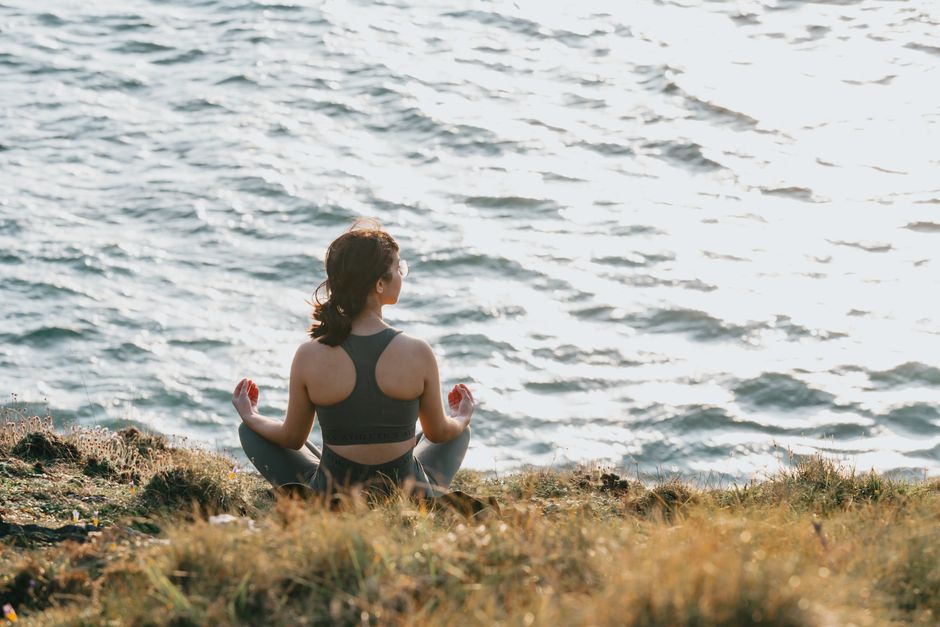
Newcastle's coastline and foreshore trails are among the most used recreational assets in the Hunter region, and right now, community walking groups are filling them. Participation in informal neighbourhood fitness groups across the city has climbed steadily since 2023, driven partly by the cost of living squeezing gym budgets — a standard Newcastle gym membership runs between $60 and $90 a month — and partly by a broader shift toward exercise that doubles as social connection.
That shift matters. A 2024 report from the Australian Institute of Health and Welfare found that fewer than half of adults in regional NSW meet the recommended 150 minutes of moderate physical activity per week. Walking groups, which require no equipment, no fee and no prior fitness level, have consistently shown stronger retention rates than structured gym programs. People keep coming back because they like the company, not because they paid for it.
Where Newcastle walkers are already gathering
The groundwork already exists here. Newcastle City Council's Active Streets initiative, which maps 14 designated walking and cycling corridors across the local government area, has made it easier for residents to identify safe, well-lit routes. The Bathers Way coastal path — stretching roughly 7 kilometres from Nobbys Beach south through Bar Beach to Merewether — is the most popular starting point for new groups. On a winter morning in early July, it is not unusual to see half a dozen loose clusters of walkers moving between the Canoe Pool at Merewether and the Bogey Hole, nodding at each other with the casual recognition of regulars.
Park Run Newcastle, which operates every Saturday at 7am from Foreshore Park near the Hunter Street waterfront, has a registered volunteer base of more than 400 people and often draws between 150 and 250 participants on a given weekend. Many participants say their first contact with structured group exercise was through Park Run, and several have gone on to organise their own mid-week neighbourhood walks independently. The Throsby Creek Precinct, which runs through Islington and Maryville, has become a secondary hub for smaller groups who prefer a quieter, flat route away from the coast.
The practical steps to getting your own group off the ground
Starting a neighbourhood walking group takes about three weeks from idea to first outing, provided you move quickly on the basics. Pick a fixed meeting point that is easy to find and has parking — the carpark at Dixon Park Surf Club on Boomerang Street, Merewether, works well for residents in the southern suburbs. Specify a day, a time and a distance. Tuesday and Thursday mornings between 7am and 8am consistently attract the strongest turnout for weekday groups, based on participation patterns across existing Newcastle networks.
Use a Facebook group or a WhatsApp chat to keep communication simple. Suburb-level Facebook groups for Hamilton, Cooks Hill, Bar Beach and Merewether all have active memberships of several thousand residents each and regularly host posts about local fitness meetups. A single pinned post explaining the route, the pace (aim for roughly 5 to 6 kilometres per hour for a moderate group) and whether dogs are welcome will answer most questions before they are asked.
Register your group with Newcastle City Council's community programs team at the Civic Centre on King Street. Registration is free and gives you access to the council's Active Newcastle newsletter, which reaches approximately 8,500 subscribers and regularly promotes new walking groups looking for members. For groups wanting public liability coverage, the Hunter Valley Walking Club — which has operated out of Newcastle since 1948 — offers associate membership for $35 a year that includes group event insurance.
The first walk is always the hardest to fill. Aim for six to ten people, pick a route you know well, and keep it under an hour. After that, the group tends to grow on its own. Consult your GP before starting any new exercise program, particularly if you have existing cardiovascular or joint concerns.
This article was compiled by AI and screened before publishing. See our editorial standards.