Property
House vs Unit Price Divergence Stretches Wider in Newcastle Property Market
Detached homes outpace apartments by a record margin, reshaping buyer choices in Merewether and the city centre.
3 min read
Updated 57 min ago
Property
Detached homes outpace apartments by a record margin, reshaping buyer choices in Merewether and the city centre.
3 min read
Updated 57 min ago
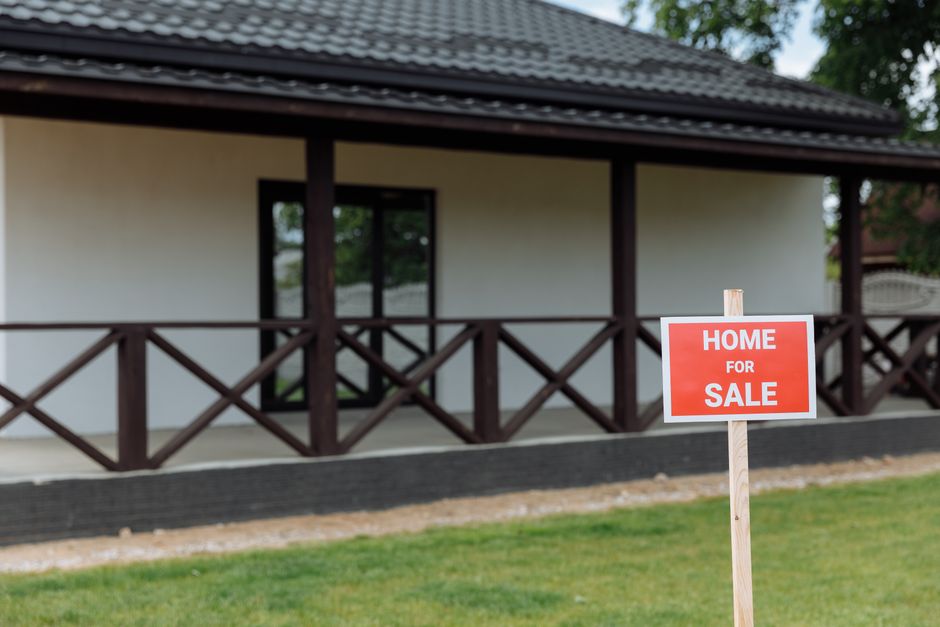
Newcastle’s property market is showing its starkest divide in a decade: house prices have surged more than 11% over the past year while unit values have barely budged, deepening a gap that’s pushing both first-home buyers and downsizers to rethink their strategies.
The divergence matters because it’s reshaping local expectations and putting pressure on segments long seen as affordable entry points. With interest rates holding and global uncertainty continuing—heightened by this week’s European heatwave tolls and persistent regional tensions—many in Newcastle are locking in bricks-and-mortar security, but the definition of what’s attainable is rapidly shifting.
On the leafy slopes of Merewether, agents report a shortage of renovated three- and four-bedroom houses under $1.3 million. Just west, in Adamstown, CoreLogic data shows median house prices now stand at $950,000—$120,000 above the same point last year. By contrast, units along King Street and in the heart of Newcastle’s CBD have clung to modest single-digit growth, with many still trading under $570,000. The City of Newcastle’s latest development bulletin highlights just 32 two-bedroom units settling in the entire 2300 postcode in June, compared with 68 house sales spread across The Hill and Cooks Hill alone.
Lawrence & Co principal Jenny Lawrence says families are driving house demand, looking for more space and outdoor amenity after several cycles of post-pandemic remote work. Meanwhile, the local rental squeeze—documented by Newcastle University’s Urban Housing Observatory as the tightest since 2012—is pushing would-be first-home buyers towards older units, but developers like St Hilliers, now launching their third project in Honeysuckle, admit price growth here has sharply lagged.
The raw figures tell the story: Newcastle-wide, the June 2026 median house price hit $880,000, up from $790,000 in July last year. Units, meanwhile, are at a median $555,000—just 2.8% above last year, and well below the pre-pandemic premium. The Real Estate Institute of NSW North’s latest report notes that houses in Tighes Hill and Carrington now command $1 million-plus on average, while even tightly-held Civic units have not broken their 2023 records.
Part of the drag: around the east end, the number of off-the-plan units settling has dropped by 27% compared with last winter, reflecting both cautious lending conditions and buyers’ focus on immediate liveability. Social housing providers, including Compass Housing, say minimal new unit starts are emerging in the city core even as demand edges up.
Agents expect the divergence to persist through spring—unless new supply materializes or interest rates shift sharply. For prospective buyers in Newcastle, the lesson is to focus search areas: targeting city-fringe units could yield better value and less competition, while house hunters may need to expand into suburbs like Maryland or Wallsend to avoid six-figure over-asking bids. Developers and planners will be watching the City of Newcastle’s updated housing strategy, due for public release in September, for signals on potential rezoning or incentives to stimulate multi-unit projects.
For now, house owners who have held tight through the last two tough years are finally seeing their patience rewarded. Unit owners looking to sell, though, will need realistic expectations—and might do well to wait another cycle unless a prime location is on offer. Either way, Newcastle’s property gap is now too wide to ignore.
Property
Property
Property
Property
About this article
Published by The Daily Newcastle
Spread the word
Daily brief
Free, in your inbox before 7am. Weekdays.
The Daily Network — local news across Australia