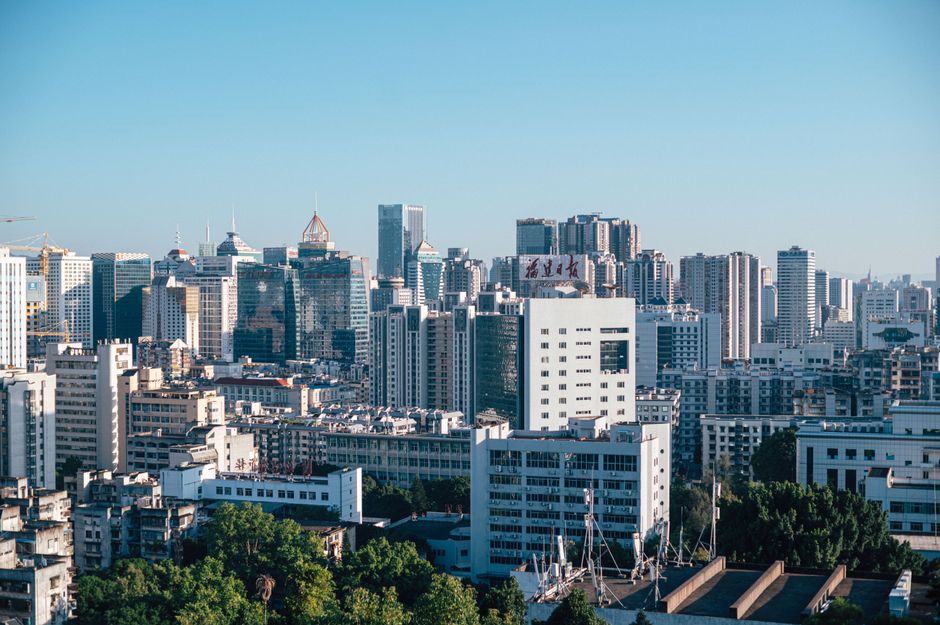
Newcastle City Council confirmed this week that phase two of the Quayside Regeneration Framework is moving into its active delivery stage, unlocking an estimated £47 million in combined public and private investment targeted at the stretch between the Millennium Bridge and the old Redheugh Bridge approach. The money is real, the timelines are tight, and the arguments about who benefits are getting louder.
The timing matters because Newcastle is absorbing these changes during a period of acute pressure on housing, transport and community services. The cost of renting a two-bedroom flat in the NE1 postcode has risen to an average of £1,050 per month — up roughly 18 percent since 2023, according to figures from the Valuation Office Agency — and residents in Byker and Elswick are already watching anxiously as investment concentrates closer to the river while their own streets see slower improvement.
What Is Actually Being Built and Where
The headline project is a mixed-use development anchored near the Spillers Wharf site on City Road, where derelict grain silos have sat largely untouched since the mid-1990s. The approved scheme, granted outline planning permission in April 2026, includes 340 new homes, a public riverside walkway, and a ground-floor commercial strip aimed partly at independent food and creative businesses. A separate parcel of land between Lime Street and the riverbank is earmarked for a new 180-desk co-working hub operated under the North East Combined Authority's Invest North East initiative, with the first occupants expected by spring 2027.
Meanwhile, the long-anticipated revamp of Grainger Market in the city centre — a Grade I listed Victorian market hall on Grainger Street — entered its consultation phase in June 2026. Newcastle City Council is proposing to invest £6.2 million in structural repairs and improved accessibility, including new lift installations and resurfaced internal walkways. For many older residents and disabled visitors who rely on the market's 100-plus independent stalls as their primary weekly shopping destination, this is the most immediately consequential project on the table.
Transport infrastructure is the third leg of what planners are calling a coordinated programme. Nexus, which runs the Tyne and Wear Metro, announced in May that the Monument station upgrade — part of the broader Metro Flow project — would complete its final phase by December 2026, restoring full platform capacity that was halved during construction. About 28,000 passenger journeys pass through Monument daily. Delays and reduced capacity over the past 14 months have pushed some commuters onto buses, adding pressure to routes through Heaton and Gateshead.
The Community Pushback Councils Can't Ignore
Not everyone is celebrating. The Walker Residents Association submitted a formal objection to the Local Planning Authority in June, arguing that successive riverside schemes have delivered almost no affordable housing within walking distance of their community. Of the 340 homes planned for Spillers Wharf, 68 are designated affordable — exactly 20 percent, below the council's own target of 25 percent. The developers cite abnormal ground remediation costs on the contaminated riverside land as the reason for the shortfall.
Community groups in Scotswood and Benwell, meanwhile, have used the regeneration debate to press for guaranteed local employment clauses. The West End Poverty Action Group, which operates from premises on Buddle Road, presented evidence to a council scrutiny committee in late June showing that previous large-scale developments in the city produced fewer than a third of the promised local apprenticeships.
Residents wanting to engage directly have several near-term opportunities. Newcastle City Council is running a public exhibition on the Grainger Market proposals at the Civic Centre on Barras Bridge on July 14 and 15, open from 10am to 7pm on both days. The Nexus Metro passenger panel holds its next open session on July 22 at Central Station. And the planning application for the Lime Street co-working hub enters its statutory 21-day public comment window on July 7, accessible via the council's online portal. Showing up, or at minimum submitting written representations, is currently the most direct way residents can shape what this city looks like by the end of the decade.