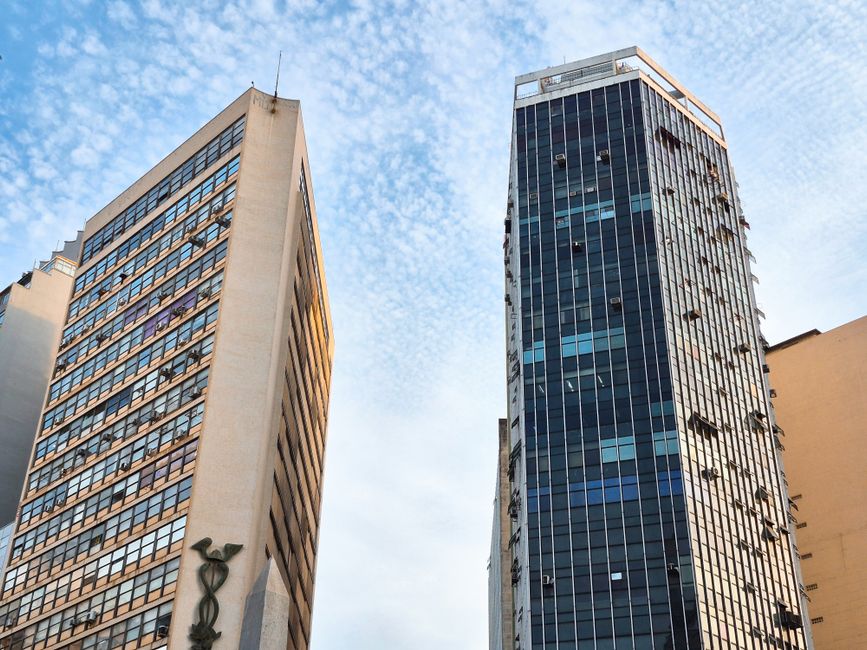
Newcastle city centre recorded a 7.4 percent rise in commercial rents along Northumberland Street in the first half of 2026, according to figures compiled by the North East England Chamber of Commerce, and that increase is already working its way through to the prices residents pay for everything from a lunchtime sandwich to a gym membership. For ordinary Geordies, the question is not whether costs are going up — they are — but what is actually driving it and what to do about it.
The timing matters. Europe is dealing with a brutal summer: France logged more than 2,000 excess deaths during a July heatwave, and energy demand across the continent is surging. Britain imports roughly 5 percent of its gas via interconnectors from the European grid, and that dependency is showing up in household bills here. Ofgem's July 2026 price cap sits at £1,568 per year for a typical dual-fuel household — down from the peak of two years ago, but analysts at Cornwall Insight are already flagging an autumn uptick if the heatwave persists into August and drains continental reserves.
What's Happening on the Ground in Newcastle
Walk down the Grainger Market on a Thursday afternoon and the picture becomes concrete. Three units that were occupied by independent food traders in January 2026 are now shuttered, their landlord notices taped to the inside of the windows. Meanwhile, the Eldon Square shopping centre reported a 12 percent increase in footfall in June compared with the same month last year, driven partly by visitors using the new Metrolink interchange at Monument and partly by residents choosing to shop locally rather than pay rail fares to Leeds or Manchester.
The contradiction — some parts of the city centre dying, others quietly thriving — reflects a national pattern playing out at a very local level. The Quayside restaurant strip between Millennium Bridge and the Tyne Bridge has seen six new openings since January, mostly mid-range operators targeting the city's growing financial and digital services workforce. Average cover prices on the Quayside are now around £38 per head for a three-course meal, up from £32 eighteen months ago. That 19 percent jump is not simply greed from operators; business rates in NE1 rose following the 2025 revaluation, and food import costs remain elevated partly because of sterling's continued weakness against the euro.
Newcastle City Council's Economic Inclusion Strategy, launched in March 2026, includes a £4.2 million fund specifically aimed at keeping independent retailers viable in areas like Westgate Road and Shields Road in Byker. Grants of up to £15,000 are available for qualifying small businesses to offset fit-out costs and short-term rent increases. The application window closes on 31 August 2026, and take-up so far has been modest — fewer than 90 businesses had applied by the end of June, well short of the 300 the council projected.
What Residents Should Actually Do
For consumers, the practical arithmetic is fairly straightforward. Energy: if you are still on a standard variable tariff, switching to a fixed deal before September insulates you from the autumn cap movement. Several Newcastle-based credit unions, including Newcastle Building Society's community arm, are running low-interest emergency loan products for residents who need to spread the cost of an energy-efficiency upgrade — loft insulation, for instance, typically saves around £280 a year on a semi-detached house in Jesmond or Heaton.
On food and retail, the opening of the new Lidl on Shields Road in Byker, due in September 2026, will add genuine competition to a part of the city that currently relies heavily on convenience-store pricing. In the meantime, the Grainger Market remains one of the cheapest places in the North East to buy fresh produce — a basket of fruit and vegetables that costs £24 at a supermarket can typically be assembled there for under £16.
The broader picture for Newcastle is not alarming, but it requires attention. Unemployment in the NE1 postcode district stood at 4.8 percent in May 2026, slightly above the national average of 4.3 percent. The city has genuine strengths — a university sector employing more than 10,000 people, a digital and fintech cluster around the Stephenson Quarter, and a tourism economy that posted record overnight stays last year. None of that makes the weekly shop cheaper right now. But understanding what is structural and what is temporary helps residents make smarter decisions about where and how they spend.