wellness
Newcastle Sleep Clinics: Complete Guide to Services and Costs
Newcastle's sleep health services are expanding to meet rising demand, but many residents still don't know where to start.
How we reported this
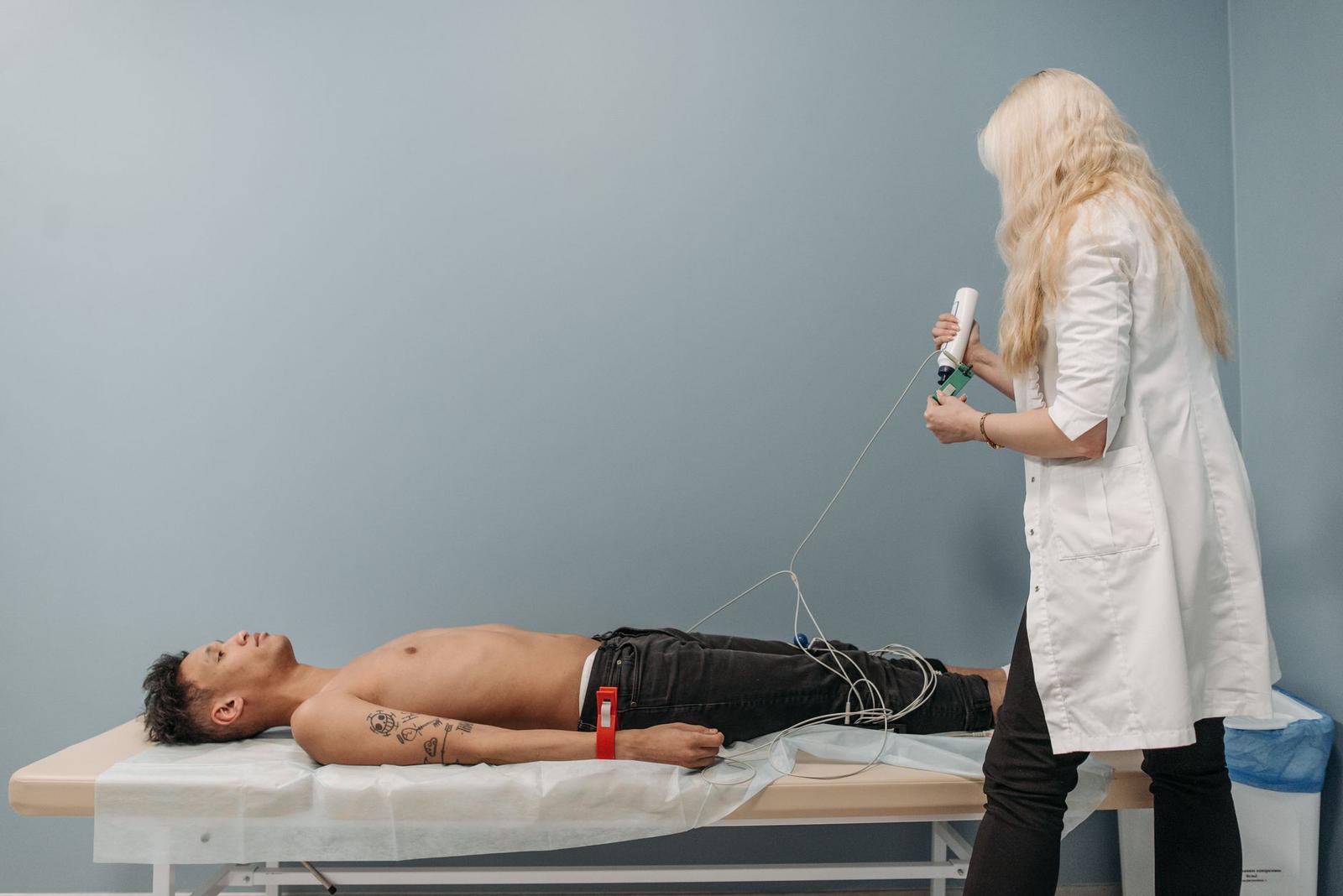
Sleep disorders affect roughly one in five Australians at any given time, yet most people in Newcastle have never set foot in a sleep clinic, and many don't know one exists within the city limits. That's starting to change. Referrals to diagnostic sleep services at clinics across the Hunter region have climbed noticeably over the past 18 months, driven in part by greater GP awareness and a surge in patients reporting exhaustion, brain fog, and mood disruption that daily coffee runs simply can't fix.
The timing matters. Discussion around hormones, melatonin, and sleep-adjacent health topics has spiked in mainstream media through mid-2026, pushing more people to ask harder questions about why they feel perpetually wrecked. For many, the answer isn't a supplement or a new bedtime routine, it's an undiagnosed sleep condition like obstructive sleep apnoea, restless legs syndrome, or upper airway resistance syndrome, all of which require a formal study to identify.
Newcastle's Sleep Clinic Landscape
The Hunter Imaging Group, which operates out of locations including Lookout Road in New Lambton, offers home-based sleep study services as part of its broader diagnostic imaging suite. Home sleep testing, where a patient picks up a portable monitoring device, wears it overnight, and returns it the next morning, typically runs between $150 and $300 out of pocket depending on Medicare rebate eligibility and the complexity of the referral. A standard GP referral is enough to get started.
For cases requiring a full attended polysomnography, the gold-standard overnight study conducted in a clinic with EEG monitoring, oxygen tracking, and a sleep technician on site, the John Hunter Hospital sleep medicine unit on Lookout Road, New Lambton Heights, remains the primary public option. Wait times on the public pathway run long: patients referred through the Hunter New England Local Health District have reported waits of four to eight months for a non-urgent polysomnography as of early 2026. Private options cut that substantially, often to under six weeks.
Newcastle Private Hospital on Lookout Road also provides sleep study services, with private health insurance covering a significant share of costs for patients with appropriate hospital cover. Without insurance, a full in-lab polysomnography privately can cost upward of $800 to $1,200, though gap estimates vary by fund and treating physician. It's worth calling ahead with your Medicare number, billing arrangements differ between the hospital's facility fee and the sleep physician's professional fee, and patients sometimes receive two separate accounts.
What to Expect From the Process
The pathway typically starts with your GP, who will screen for symptoms using a validated tool like the Epworth Sleepiness Scale, a simple questionnaire that scores daytime drowsiness from zero to 24. A score above 10 generally warrants further investigation. Neck circumference, body weight, and blood pressure are also assessed, since obstructive sleep apnoea has a well-documented relationship with cardiovascular risk.
For home testing, the device records airflow, blood oxygen saturation, respiratory effort, and body position through the night. Results are interpreted by an accredited sleep physician, who then reports back to your GP, usually within two weeks of the study being completed. If the results are borderline or inconclusive, an in-lab study follows.
Community health programs through Hunter New England Health also run periodic sleep health education sessions at locations including the Wallsend Community Health Centre on Longworth Avenue. These sessions don't replace clinical diagnosis but help residents understand what symptoms to flag with their GP and what to expect from the referral process.
Anyone in Newcastle experiencing consistent fatigue, loud snoring reported by a partner, waking with headaches, or falling asleep involuntarily during the day should raise it at their next GP appointment. A referral costs nothing. Left untreated, the conditions those symptoms often signal carry real long-term health consequences, and better sleep is one of the few lifestyle interventions with near-universal evidence behind it. Consult your local GP or a registered sleep physician before beginning or changing any treatment.