Politics
Newcastle Voters Head to the Polls: What Local Experts and Community Voices Want Candidates to Answer
With election season sharpening political attention across Newcastle, community groups, policy watchers and neighbourhood advocates are pushing a short list of concrete demands they say candidates cannot afford to ignore.
How we reported this
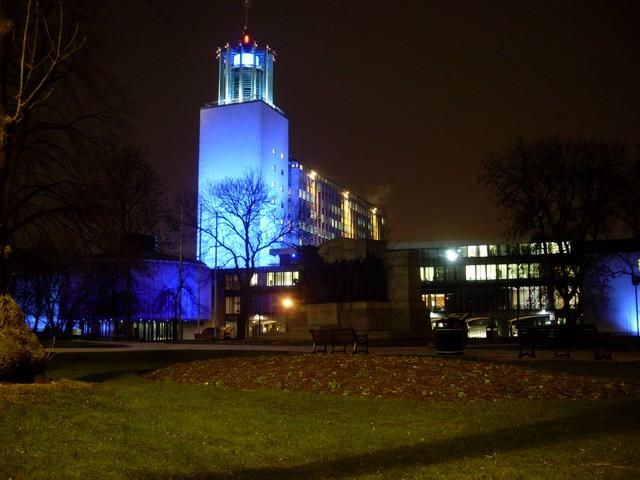
Election season has arrived in Newcastle, and the questions residents are putting to candidates are less about party slogans and more about bus routes, housing affordability and whether the city's outer suburbs will keep waiting years for basic services. Community organisations across the Hunter region have begun releasing candidate questionnaires and attending public forums, signalling that voter engagement this cycle is moving well beyond the ballot box.
The timing matters. Newcastle has spent the past several years managing a significant urban transformation, from the former steelworks precincts at Mayfield and Islington to the expanded light rail corridor running through the city centre. Policy analysts who track local government performance say election periods are the most reliable window for communities to extract binding commitments from candidates, because promises made on the record during campaigns are easier to hold politicians accountable to than those made in private briefings or budget estimates hearings.
What Community Groups Are Actually Asking
The Hunter Community Environment Centre, a longstanding advocacy body based in the region, has publicly called for candidates to state clear positions on flood mitigation planning for low-lying suburbs including Hexham and Sandgate, areas that have experienced repeated inundation events. Transport equity groups want written commitments on frequency upgrades to Newcastle Interchange services connecting workers in Charlestown, Wallsend and Maitland. Housing affordability networks are asking candidates to specify, numerically, how many social and affordable dwellings they will support in the next council planning cycle. These groups note that vague support for housing diversity is not the same as a zoning decision or a capital allocation.
Local policy analysts say the specificity of these demands reflects a more sophisticated electorate. Voters in Newcastle have watched multiple election cycles produce broad infrastructure commitments that stall once candidates take office and face competing budget pressures. Community voices note that the city's demographic shift, with more younger renters living in the inner suburbs around Cooks Hill and Hamilton, has altered what issues generate the most organised pressure. Rental stress, public transport frequency and urban greening now rank alongside traditional concerns about industrial employment in the Hunter Valley.
What Candidates Are Signalling So Far
Across candidate forums held this year at venues including the Civic Playhouse precinct and community halls in Broadmeadow and Mayfield, several themes have emerged repeatedly. Candidates from multiple parts of the political spectrum have cited the need for more localised decision-making over planning applications, particularly for medium-density residential developments. Arts and cultural advocates connected to the Newcastle Art Gallery and local performance venues have attended several forums to press candidates on the future of creative industry funding, following years of uncertainty around council arts grants.
Policy researchers who track municipal elections say candidate spotlights, the structured profiles and public Q-and-A sessions now common across Newcastle's community radio, local press and council-run channels, have become one of the more effective tools for cutting through campaign noise. When candidates are asked the same standardised question in a public setting, comparison becomes easier for voters. The format also makes evasive answers more visible. Local advocates note that where candidates decline to answer specific questions about infrastructure budgets or zoning policy, that itself becomes part of the public record that voters and journalists can reference.
For Newcastle residents, the practical consequence of who wins local seats extends directly into daily decisions: which development applications get approved near their street, whether the footpath outside a school gets repaired in year one or year four of a council term, and whether community facilities in suburbs like Lambton or Jesmond receive maintenance funding or sit on a deferred works register. Policy analysts say the most durable gains for residents tend to come not from election promises alone, but from communities that stay organised between elections, attending council meetings, submitting on draft plans, and keeping elected members on the record. The current election cycle, they say, is less an endpoint than a pressure point.